by Richard Jones | Nov 18, 2025 | Business, Business Continuity, Productivity, Remote Working, Working from Home
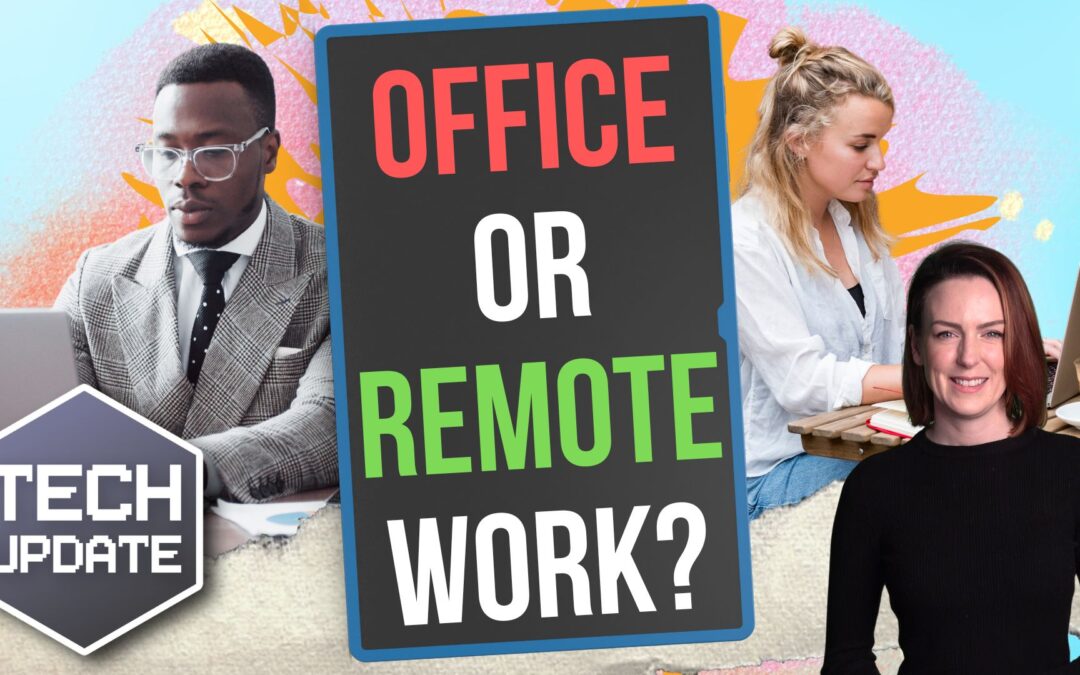
The way we work has changed massively over the past few years, hasn’t it? The global pandemic created a huge shift towards remote working. And now businesses are divided on the right way to move forward.
Some businesses are eager to bring everyone back to the office. But others are keen to keep things flexible. If you’re wondering what’s best for your business, it may be time to look at the big picture: What works, what doesn’t, and what do you need to keep an eye on?
Let’s face it, working from home has its perks. No commute, fewer interruptions, and a chance to keep up with the laundry between meetings. For many employees, it can boost productivity, improve work-life balance, and reduce stress.
Remote working isn’t just about employee happiness, though.
Businesses forcing staff back into full-time office work are losing people – particularly their top talent. A recent study found that companies with strict Return to Office policies saw a 14% jump in employees quitting… and these aren’t the ones you can replace in a snap. We’re talking about senior staff and highly skilled workers who take a lot of knowledge with them.
On top of that, finding new people to fill those roles is taking longer (23% longer, according to the report). And it’s not cheap to hire replacements, either. Today’s employees want flexibility. And businesses offering remote or hybrid roles are getting a recruitment advantage.
Where things get difficult is around the issue of data security. Although working from home or a coffee shop might sound great, public Wi-Fi can be like an open door for cyber criminals.
Your business data could also be at risk if your employees work from their personal devices (which might not have seen a software update in months). Or if they work from a home PC they share with their partner or kids.
The good news is that there are some simple ways to protect your business while allowing your employees to work flexibly.
Extra security measures like multi-factor authentication (that extra code you’re asked to enter when you log in) can help to keep things locked down. And a little training to teach your team how to spot email scams can also make a huge difference.
So, should you bring your employees back to the office or embrace remote working? There’s no “one-size-fits-all” answer.
Some businesses thrive with everyone in the office, while others find that giving people the choice brings out the best in their employees. The real trick is finding what works for your team.
Just remember: If you’re letting people work from anywhere, don’t skimp on security. A flexible approach with strong protections can give you the best of both worlds – happy employees and a secure business.
If you’d like advice on how to keep your business data secure while supporting flexible working, we can help. Get in touch.

by Richard Jones | Nov 5, 2025 | Business, Business Continuity, Cybersecurity, IT Management, Microsoft, Uncategorised
When was the last time you finished a busy workday and still had plenty of battery left on your laptop?
Feels like wishful thinking, right?
Microsoft knows this, because it’s testing out a new feature for Windows 11 that could give your laptop a noticeably better battery life.
As someone who works with business tech every day, I think this could be a big step forward for businesses everywhere.
The feature is called adaptive energy saver.
Normally, Windows only switches on its energy‑saving mode when your battery level gets low. And you can set what “low” means in your settings. But adaptive energy saver takes a much smarter approach.
Instead of waiting for the battery to run down, your laptop will watch what you’re doing. And if you’re only carrying out light tasks like browsing the web, reading emails, or working in Word, it quietly switches on energy saver in the background.
From what Microsoft has shared so far, this doesn’t affect your screen brightness. Which is good news, because nobody wants their screen dimming and brightening all day.
Instead, it seems to focus on gently slowing down components like your processor and graphics chip when they’re not working hard. Those are two of the biggest power drains in a laptop. Easing off on them could mean you get a lot more time before you need to hunt for a charger.
It’s not switched on by default. You’d need to turn it on yourself in your laptop’s settings. And of course, not every test feature makes it to the final version of Windows 11, but this one feels like a no‑brainer to me.
The benefits for businesses are obvious. Your people can work for longer between charges, whether they’re in meetings, out visiting clients, or working from a coffee shop for the afternoon.
Fewer frantic dashes for a plug socket means fewer interruptions and less stress.
And over time, better battery efficiency could even help you extend the lifespan of your laptops by reducing how often they’re run down and charged up again.
Right now, adaptive energy saver is being tested in the Canary channel, which is where Microsoft tries out ideas before releasing them more widely.
I spend a lot of time looking for small changes that add up to a big difference for productivity. This is exactly the sort of improvement that does just that. It’s early days, but if Microsoft rolls this out, Windows 11 laptops could soon feel like they’ve had a major upgrade without you having to buy a thing.
If it’s time to upgrade your devices and you need expert guidance, get in touch.

by Richard Jones | Feb 3, 2025 | Business, Business Continuity, Cloud, Cybersecurity, IT Management, Microsoft, New Technology, Productivity
Still holding on to Windows 10 in your business? It’s time to start thinking about making the move to Windows 11.
Three years after its release, Windows 11 is making major headway, with its market share reaching 35.55% in October 2024. While Windows 10 still holds around 60.97% of the market, change is on the horizon – and there are some compelling reasons to consider the switch.
First, let’s talk about the big news: From 14th October, Windows 10 will no longer receive free support from Microsoft. Although this doesn’t mean Windows 10 will stop working, it will stop getting important updates, such as up-to-date protection against malicious software and cyber threats.
Microsoft will be offering extended security support for Windows 10 for an extra year, but this will cost businesses $30 (around £23) per device and could get expensive. And this is only a temporary solution.
So, why has interest in Windows 11 spiked recently?
For one, the PC market has picked up. This is partly because of the rise of “AI PCs”, which use hardware that is more capable of handling AI-based tasks. People want to make sure their devices are compatible with the latest software, including Windows 11. There’s also buzz around the rollout of “Windows Intelligence” – a possible rebrand of some Windows 11 AI features.
Upgrading to Windows 11 isn’t just about keeping up with the latest tech, though. Another reason people are moving to Windows 11 is that it offers a more streamlined and user-friendly experience. New features include customisable widgets and an improved File Explorer, helping you to get things done faster.
Another major benefit to businesses is that Windows 11 brings improved security, offering better protection against cyber threats like:
- Ransomware, where you get locked out of your files and held to ransom for its (possible) return
- Phishing attacks, where you get tricked into revealing sensitive information through things like fake emails
If you want to stick with Windows 10, Microsoft’s one-year extension could offer you a bit more time. But if you want our advice? You’d only be delaying the inevitable, while missing out on the benefits of upgrading.
We can help make the switch stress-free. Get in touch.

by Richard Jones | Dec 30, 2024 | Business, Business Continuity, Cybersecurity, IT Management, Mobile
If you get a call claiming to be from Microsoft Teams support, think twice before doing what they ask.
There’s a new trend for scammers to pose as “help desk” staff, with the aim of tricking employees into letting them take over their devices.
This is part of a larger ransomware attack, where you’ll be denied access to your business data unless you make a hefty payment to get it back.
Recently, a notorious cyber crime group has taken this scam to a new level.
First, they’ll flood an employee’s inbox with so much spam that it becomes unusable. Then they swoop in with a phone call, pretending to be from IT support, offering to “fix” the problem.
They may ask your employee to install remote desktop software like AnyDesk or use built-in tools like Windows Quick Assist. Once they have access, they can move around your network, collect sensitive data, and launch ransomware on your devices.
Be warned – they don’t only reach out over the phone. They’ve also started setting up Teams accounts to make employees think they’re part of IT support.
They do this by choosing usernames like “Help Desk” and using fake Microsoft tenant domains such as “securityadminhelper.onmicrosoft .com”. Then they send one-to-one messages to employees, saying they need access to their device.
Ransomware attacks are serious business. Along with locking you out of your data, they can also shut down your operations, disrupt customer service, and potentially leak confidential information.
Recovering from a ransomware attack can be expensive, both in terms of paying the ransom and dealing with the aftermath. It can cause loss of revenue, damage your reputation, and it could even have legal consequences.
Make your team aware of this scam and encourage everyone to be cautious with any unsolicited support calls or Teams chats. And make sure everyone knows to check with your actual IT department first, if someone is asking to install software or gain access.
Also, if you use Microsoft Teams in your business, make sure it’s set up securely. Only allow external chats from trusted domains, and make sure chat logging is enabled.
If you want extra help safeguarding your setup, we can do that. Get in touch.
by Richard Jones | Dec 23, 2024 | Business, Business Continuity, Cybersecurity, IT Management
Email has become an essential tool for any successful business, but as the saying goes, “with great power comes great responsibility”.
As a business owner, it’s your responsibility to make sure your emails are secure. It’s one of the key ways to stop your business data falling into the wrong hands.
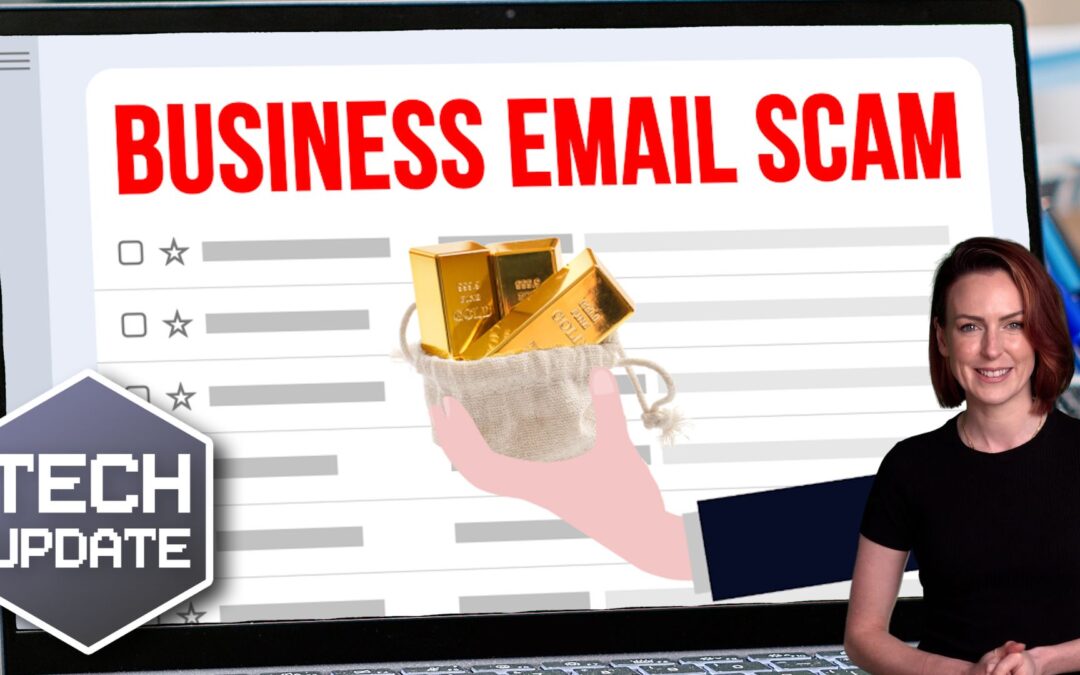
Business Email Compromise (or BEC) is a growing threat. And if you become a target, it could cost you – big time.
So, what exactly is a BEC attack?
In simple terms, it’s where scammers pose as people high up in the business, like CEOs, executives, and IT staff. The goal is to trick your employees into sharing sensitive information or sending money. Research shows that nearly 90% of BEC attacks are set up this way.
It’s easy to see how someone might quickly respond without a second thought, especially when they trust the sender.
BEC attacks have spiked dramatically this year, especially over the third quarter. Researchers have analysed 1.8 billion emails worldwide, discovering a shocking 208 million malicious emails among them. And of these malicious emails, more than half (58%) were BEC attempts.
The figures make it clear: BEC scams are now the biggest email threat to businesses.
Another thing worth noting? Most BEC scams target employees lower in the business, who might be less likely to question authority or be less aware of cyber threats.
Although BEC attacks are common, it’s also important to remember that scammers still use other methods too. This includes commercial spam and phishing attacks, which are designed to trick people into sharing personal information, like login details.
In fact, the combined effect of these types of scams now overshadows traditional ransomware and malware attacks.
Luckily, it isn’t complicated or expensive to protect your business.
Simply make sure that all members of your team are trained to think twice about every email they receive.
If an email asks for sensitive information or a financial transaction – especially if it feels urgent – your employees should know to stop and check with someone before they action anything.
If you need help making sure your business is secure, get in touch.
by Richard Jones | Dec 9, 2024 | Business Continuity, Cloud, Cybersecurity, IT Management, Working from Home
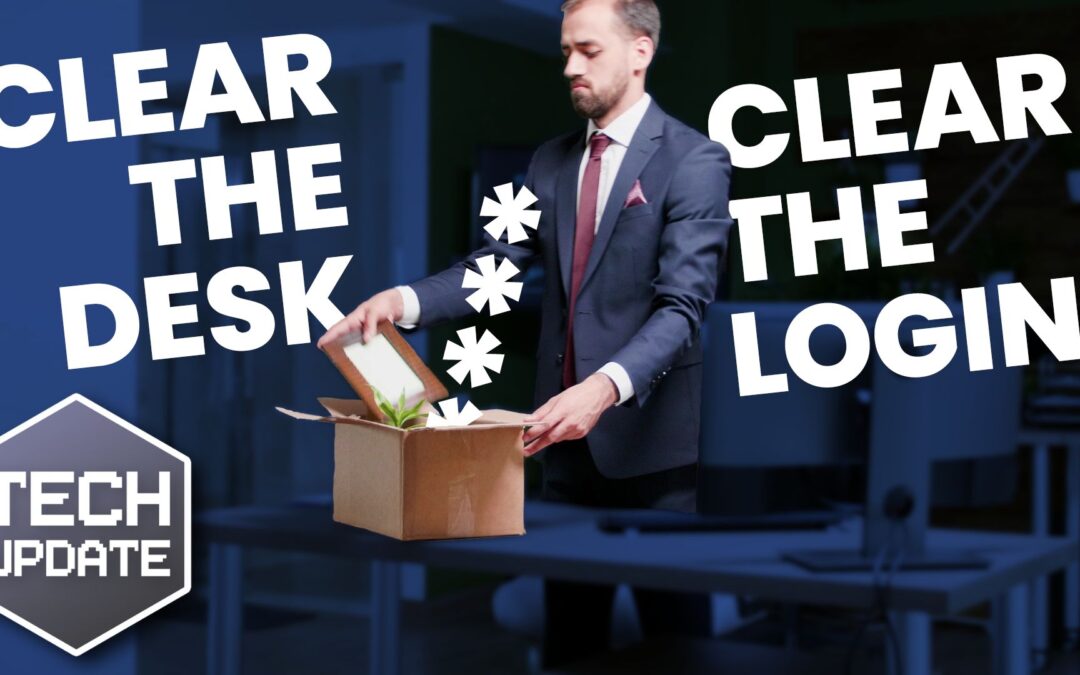
When someone leaves your business, you might be so wrapped up in the rush of everyday tasks, you forget to delete their login details.
It’s easy to overlook. You’ll get around to it later, right?
But unused login details could be a ticking time bomb for security breaches, leaving the doors wide open to cyber criminals. It can also be an unnecessary drain on your budget if you’re paying for old subscriptions you no longer need.
A recent report found that almost half of businesses had accounts that were no longer actively managed.
If you’ve forgotten about an account, you’re not monitoring it. And this leaves your business vulnerable to attacks.
These risks aren’t just hypothetical, either. Many cloud security breaches happen because unused login details and accounts have been compromised.
So, what do you need to do?
Take the time to audit all accounts and login details used by your business. Make sure you no longer have accounts open for ex-employees (and check that their access has been fully revoked, not just left inactive).
The same goes for any software or service that you’ve stopped using in your business. You might not realise you’re still paying for a service you haven’t touched in months – or even years.
Going forward, make sure you have a clear process for when people leave, and regularly review the applications and services your business uses.
If you’re not sure where to start, let us help you perform a security review and make sure you’re not leaving your business exposed to unnecessary threats. Get in touch.


